
The Everest Base Camp (EBC) trek is likely one of the world’s most iconic bucket listing adventures. Many individuals dream of standing beneath the towering peak of the world’s tallest mountain—however earlier than lacing up your mountaineering boots, you is likely to be questioning: how onerous is it, actually?
The reply isn’t fully easy. The trek is totally doable for most individuals with a good stage of health and good well being—you don’t should be a mountaineer or elite athlete to take it on. On the similar time, it’s robust sufficient that once you lastly end, you’ll really feel genuinely pleased with your self.
Past the bodily health it takes to finish, the Everest Base Camp trek is difficult in methods many individuals don’t at all times count on. You’ll face a fair proportion of discomfort—like freezing chilly nights that actually check your resilience and dedication.
Let’s check out the distinctive challenges includes and provide you with an sincere image of what the trek calls for.
It’s Not a Technical Climb—However It’s No Stroll within the Park Both
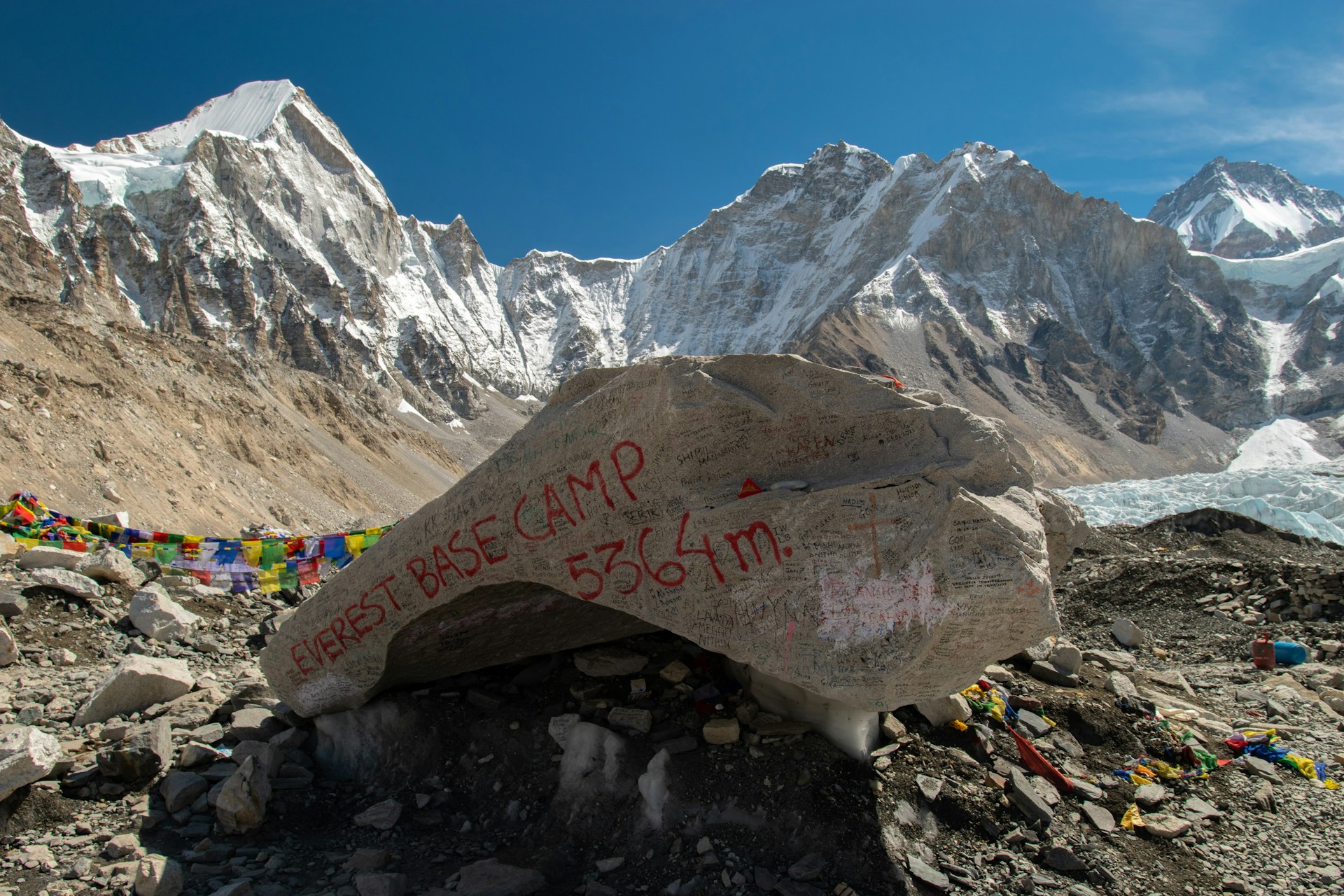
First issues first: this isn’t a technical climb. There’s no want for ropes, harnesses, or crampons. For those who’re picturing Everest summit makes an attempt with oxygen masks and ice axes, loosen up—that’s not what this trek is about.
There aren’t any vertical ascents or rock faces to scale. As a substitute, the trek is a long-distance hike via the Himalayas, reaching altitudes over 5,300 meters (17,500+ toes).
The EBC trek is actually an extended, high-altitude hike via the Khumbu Valley. You’ll be strolling on rocky trails, crossing suspension bridges, and passing via conventional Sherpa villages.
However make no mistake—simply because there’s no technical climbing doesn’t imply it’s simple. The excessive altitude, chilly nights, and lengthy days in your toes take actual dedication and strong prep.
Altitude: The Silent Problem
If there’s one factor that catches trekkers off guard, it’s the altitude. As you climb increased, the air will get thinner. By the point you attain Everest Base Camp (5,364 meters/17,598 toes), you’re inhaling about half the oxygen you’re used to at sea stage.
Altitude illness doesn’t care how match or younger you might be – it may have an effect on anybody. Signs vary from complications and dizziness to nausea, poor sleep, and lack of urge for food. The upper you go, the thinner the air will get, and even gentle effort can go away you breathless.
To assist forestall altitude illness, speak to your physician about medicines like Diamox, and examine whether or not the trek may affect any current well being points. And be sincere with your self—for those who’re the kind to crumble on the first signal of a headache, this may not be the journey for you.
Acclimatization is essential, and a well-structured itinerary will permit your physique time to regulate.
Himalaya Coronary heart, a Nepal-based trekking firm, rigorously plans their 12-day Everest Base Camp treks to prioritize secure elevation achieve and relaxation days. Their educated native guides are skilled to identify the indicators of altitude illness early and reply appropriately—supplying you with each peace of thoughts and a greater shot at reaching Base Camp.
What Does a Typical Day Look Like?

Most days on the EBC trek contain 4 to six hours of mountaineering, with a few longer days blended in. The space may solely be 8–15 kilometers (5–9 miles) per day, however don’t let that idiot you. Climbing uphill at altitude takes time, and also you’ll must go gradual and regular.
A few of the terrain is steep or uneven, and also you’ll achieve elevation progressively as you progress from one teahouse to the following.
Count on early begins, lunch breaks at tiny mountain lodges, and downtime within the afternoons to relaxation, learn, or play playing cards with fellow trekkers.
Climate: Stunning, However Unpredictable
The very best instances to trek are pre-monsoon (March–Could) and post-monsoon (late September–November). Throughout these months, the skies are often clear and the views spectacular. However climate within the Himalayas could be fickle.
One of many largest challenges on the Everest Base Camp trek is the chilly—particularly after sundown. Above 4,000 meters, count on temperatures drop to effectively beneath freezing at evening. Teahouse bedrooms often have single-pane home windows and no heating, so don’t be stunned if you find yourself sleeping in all of your layers and nonetheless really feel the nippiness.
Daytime circumstances could be robust too, with sturdy winds that lower via your garments and brilliant solar that displays off the snow. You may expertise heat sunshine, howling winds, rain, and even snow—all in a single day. down jacket, heat hat, and a strong pair of sun shades are absolute necessities.
Teahouses and Path Life
The lodging alongside the path—known as teahouses—are easy however charming. Most provide primary rooms with twin beds, shared bogs, and hearty meals. Don’t count on luxurious on this journey.
Electrical energy is commonly accessible (for a charge), however Wi-Fi is patchy at finest. Showers exist, however they’re often chilly or price additional.
Cleanliness could be a actual problem on the Everest Base Camp trek —you may go days with out a correct bathe, and your garments received’t get a lot washing both. Some teahouses use primary long-drop bogs, which could be a shock for those who’re used to Western comforts. In the end, for those who’re a little bit of a germaphobe, it’s value contemplating how a lot you’re keen to embrace the rougher facet of the trek.
Meals choices are typically restricted, particularly when you’ve got dietary restrictions or sturdy dislikes. Meals are typically carb-heavy – mainly warming consolation meals meant to gas your lengthy days on the path.
Count on loads of high-carb staples like bread, pancakes, rice, pasta, and potatoes to maintain your vitality up, together with eggs, cheese, and cooked veggies—however recent fruit and salads are uncommon. Menus are often in English, however what arrives may not at all times match your expectations, so staying versatile and open-minded about meals will make your trek a lot simpler.
What Type of Health Do You Want?
You don’t should be an ultra-marathoner, however you do should be in first rate form. For those who can hike 6–10 miles in a day, deal with stairs with out gasping, and carry a daypack comfortably—you’re off to an excellent begin.
Most individuals discover that coaching hikes with some elevation achieve, plus common cardio and leg energy, assist enormously. What issues most is consistency and stamina—not pace. Climbing the EBC path is extra of endurance problem, fairly than a dash.
Treadmills and paved paths are nice for common health, however they don’t absolutely put together you for the actual terrain of the EBC trek. Uneven, rocky trails problem your ankles and stability in methods flat surfaces can’t—so it’s vital to get exterior and practice on pure terrain each time attainable.
Use your prep hikes to interrupt in your boots, check your socks, and get used to carrying your backpack. You’ll be sporting and carrying this gear for hours every day, so that you need every little thing to really feel proper. Climbing along with your full pack additionally helps construct shoulder energy and stamina.
Intention to work as much as lengthy days—round 8 hours—with uphill sections and a loaded backpack. For those who can handle that comfortably, you’re heading in the right direction. Additionally attempt to combine in common cardio and energy coaching all through the week. The fitter you might be, the much less oxygen your physique wants, which is a big plus at excessive altitudes.
The Psychological Sport
Bodily health helps, however psychological resilience is simply as vital. The EBC trek could be monotonous, chilly, and bodily draining. Chances are you’ll get up with a headache, really feel bored with the meals, or get annoyed by the shortage of a scorching bathe. However you’ll additionally expertise breathtaking views, inspiring cultural encounters, and the distinctive camaraderie that solely shared hardship can convey.
Going with a gaggle or a supportive information service helps. A humorousness doesn’t harm both.
So, Who Is This Trek For?
Nice match for:
- Reasonably match vacationers who take pleasure in mountaineering and journey
- Individuals with a versatile mindset and optimistic angle
- Anybody in search of a bodily problem and cultural immersion
Not ultimate for:
- These with severe well being points or coronary heart/lung circumstances
- Vacationers anticipating luxurious or consolation
- Individuals unwilling to unplug or adapt
Last Ideas: Is It Price It?
Completely. The Everest Base Camp trek is a bodily, psychological, and emotional journey that’s value doing as soon as in your lifetime. The sense of feat, the friendships fashioned on the path, and the views of the Himalayas will stick with you lengthy after you come back dwelling.
Sure, it’s difficult. However it’s additionally deeply rewarding.
And also you don’t must go it alone.
Corporations like Himalaya Coronary heart make the journey smoother and safer. With small-group treks, skilled native guides, and thoughtfully designed itineraries, they deal with the logistics—so you’ll be able to deal with the expertise. Their Everest Base Camp trek consists of relaxation days for acclimatization, cultural insights from Sherpa guides, and a well-paced route that units you up for achievement.
Able to Take the First Step?
If the considered trekking to Everest Base Camp offers you butterflies (in one of the best ways), that’s an indication you’re prepared to start out planning.
Take the guesswork out of the equation and discover the trek choices from Himalaya Coronary heart. Whether or not you’re a first-time trekker or a seasoned hiker, their workforce will help you craft a secure, memorable, and significant expertise. If the mountains are calling you, click on right here to study extra and begin your journey right now.
Extra Studying